A generation or so ago, the term “reprobate mind” was common in Christian circles.
It is telling that the term, for multiple obvious reasons, is not in widespread circulation currently.
The word “reprobate” has (or at least once had) a simple, clearly defined meaning; depraved, disreputable, opportunistic, selfish and, as one dictionary put it, a reprobate person is “not known for inner goodness”.
Most of us don’t use or even hear the term much, and I must admit that I, as perhaps my most basic life philosophy, have preferred to believe that every human being has, or once had, at least a tiny spark of “inner goodness”.
That enduring optimistic hope in humanity has been something like a flickering flame that has given me light and direction in difficult times over many decades.
But that “faith” like many articles of faith in recent times, for far too many of us, has taken a beating: in any and every category it seems, the “bad guys”—the opportunists and exploiters, the destroyers and deceivers seem to be winning. And, unlike others’ eras, the evil among us is rarely condemned or “canceled”, it is far more often celebrated and commemorated.
Back in more innocent, or at least less cynical times, a common moral reference question was “Are you part of the problem or part of the solution?”. The premise was that any decent human being would, by far, prefer to be part of the “solution” than a contributor of the “problem”.
That was, of course, an assumption from a simpler time.
We now have business leaders, political office holders, parents, celebrities and authority figures who, not only deny any responsibility but who use their reckless disregard for the most basic guidelines of decency and integrity as their primary selling points.
And, as you have probably noticed, these public “reprobates” from “influencers” to celebrities to entrepreneurs to politicians have at least as rabid advocates and supporters.
And many, if not most of these “reprobate evangelists” do so from a position, or at least a premise, of faith.
You can see an analysis of the marketing of the “reprobate mind”, and how it justifies itself within what might have been considered “Christian” circles here.
But “reprobate” should never, in any culture, era, setting, relationship or business deal, be seen as a positive attribute.
But consider the shift in mood, values, even identity in the past few years; not only have many of our leaders embraced and embodied the reprobate mindset and moral landscape, they have actively repudiated and mocked basic goodness and decency.
Many representatives of what used to be called “traditional values” are more animated – and passionate – about ridiculing the most basic values of a functional society. Who among them advocates for a compassionate society? A society known for its generosity and empathy? Or even a society that advocates and protects those who cannot protect themselves.
And, as many thought leaders have emphasized, that aspect, the idea of caring for those in need is the benchmark of a healthy society.
Many of our leaders, and their cheering audiences, positively gloat in their grievances and public rebuke and shaming of those who are vulnerable and struggling.
On almost any political or cultural landscape, from rally to lunch time conversation, how often do you hear words like integrity, nobility or even an abstract concept like “the common good”?
I would argue that words like those are more important than ever—but most of us can’t even use those words without embarrassment.
Those almost lost terms, integrity, nobility, sacrifice and the common good, among many others, require us to look beyond our own borders, our own upbringing and experience. And that may be uncomfortable at first, but that encounter is where discovery, delight, even, according to most world religions and philosophies, where something like enlightenment just might happen.
Those in distress have much to teach us. The most important thing that we could learn is that, even though we may ignore and dismiss them, when we look closely, we just might see that we are not so different from them.
The “Golden rule”, before gold itself began to rule, was the simple principle that we would be wise to treat people the way we would like them to treat us.
Are we deaf to the cries of others—and then enraged when our own cries are not heard?
Do we really need dogma, doctrine and threats of eternal hell to cajole or threaten us into becoming decent human beings?
I don’t think so. In fact, I have the radical, naïve belief that the vast majority of us would rather be decent and kind people in a larger society of equally decent and kind people.
That glimmer of “inner goodness”, in most of us will not be extinguished. It can seem to flicker in times like these, when dark and heavy, brutish heaviness seems to weigh down the souls of people after people, nation after nation.
But even that burden, that I see in people, in their posture, in the tone of their voices, everywhere I go, cannot last forever.
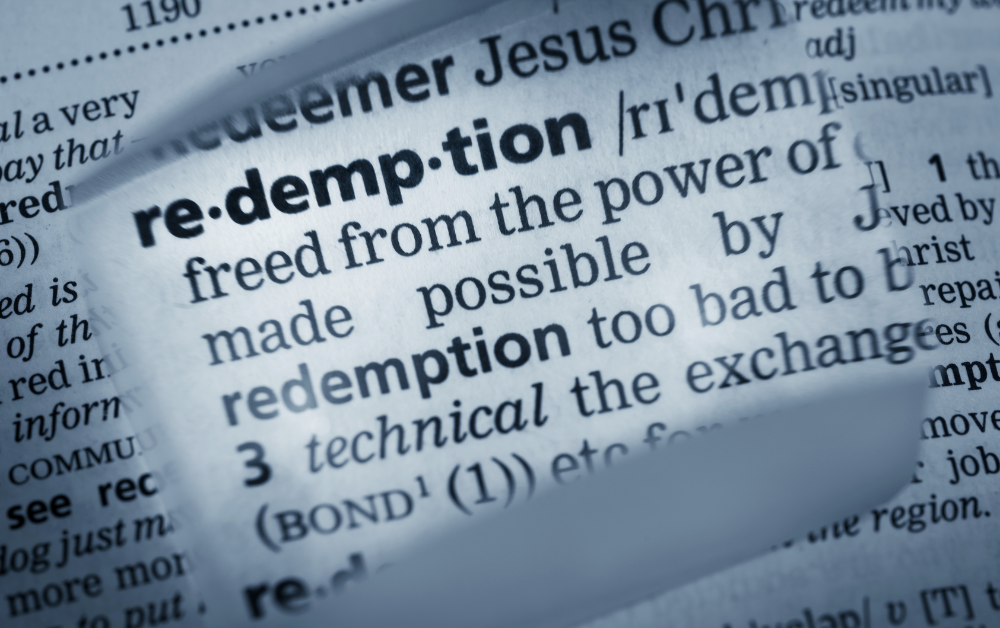
There’s another “R” word that comes to mind; redemption.
As Bob Marley put it, when all is lost, all the prophets are killed or silenced, and the ugliest voices seem the loudest, the hands of violence and degradation seem to be everywhere, all we have, all we will ever need, are songs of freedom, songs of redemption.
They seek revenge, and love to see their brutish hands on our treasures, but they are not immune from the ravages of time and the unstoppable force of that “inner goodness”. It might be within others or within themselves, but it will not be broken or held back.
Look at the faces of those so proud of their own cruelty—they are pinched and pale, their eyes empty, their faces drawn, sallow and leached of life.
You will see no delight, no calm, no peace there. Not even companionship and trust within their circles can be found.
A group photo of them looks like a reunion of Hell itself.
The ultimate irony is that virtually every world religion holds that Heaven will be filled with songs of redemption and a sea of “inner goodness”, while Hell itself will be filled with reprobate people just like themselves.
Redemption is a far larger world—it holds—and releases—energy, passion and a sense of camaraderie and connection across the borders and boundaries that once seemed so important.
Redemption is a release. No masters, no slaves, no conquerors, no conquered, no victims and no one glorying in the defeat or subjugation of others.
Redemption.