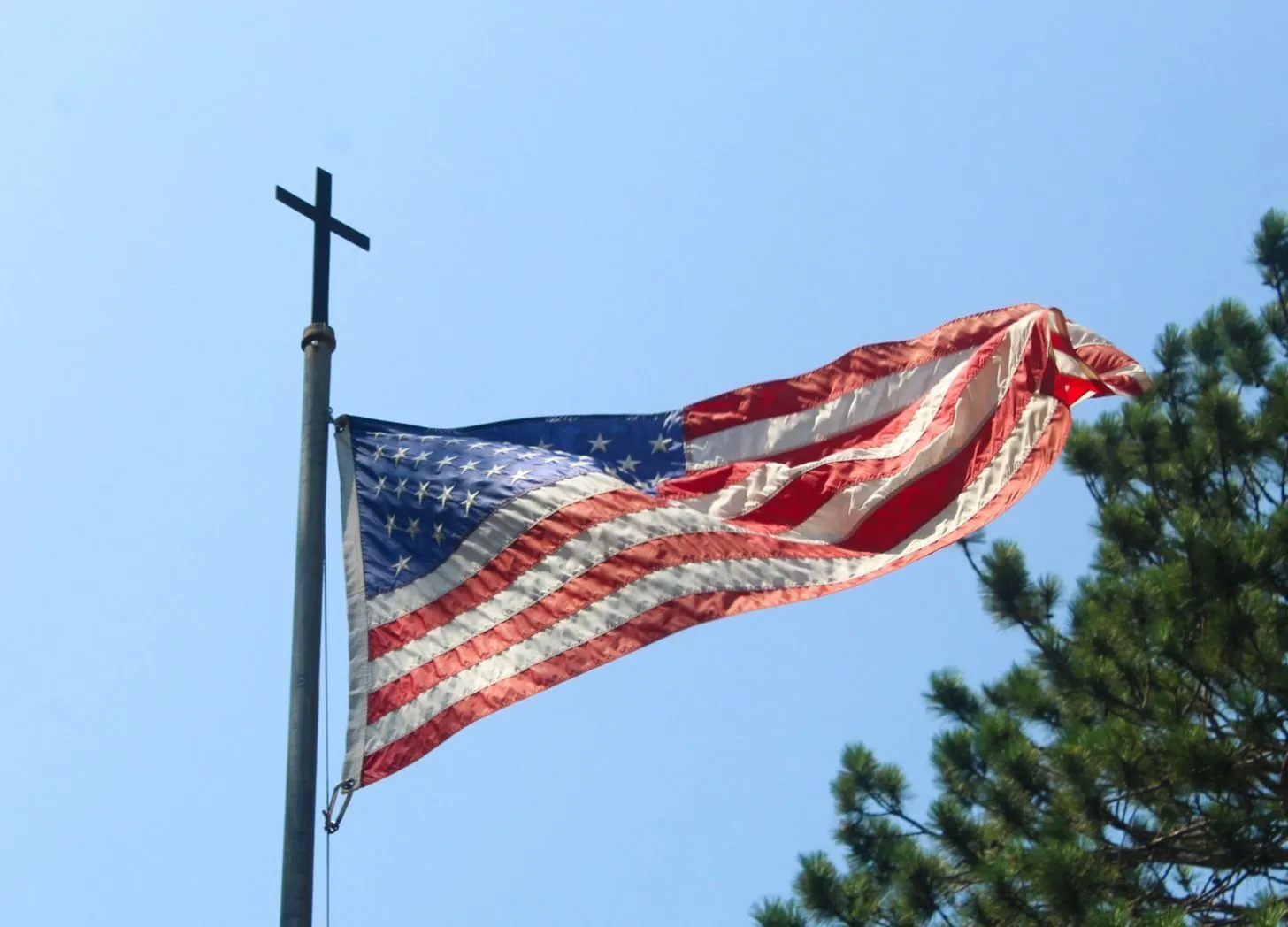
“What kind of faith leads to that?”
It’s the question that’s been echoing in my mind since my conversation with Latasha Morrison, Founder and CEO of Be the Bridge, on the Mending Divides podcast.
It wasn’t a rhetorical question.
But before I could respond, she leaned in, naming with clarity and conviction the deep roots of injustice embedded in Christian history. From the doctrine of discovery through the transatlantic slave trade to the architecture of apartheid, she pointed to the distorted religion masquerading as Christianity that still shapes our world today.
As I listened, I was unsettled by the silence that has followed these truths for too long. In our churches and pulpits, in our history books and curricula, we have allowed biblical and historical illiteracy to pave a smooth road for injustice. We’ve uncritically passed down interpretations of texts that serve power rather than fuel our service of the powerless. We’ve sanitized our institutional memory and absolved ourselves from responsibility to and for those who suffer the consequences.
Into that reality, Latasha pressed us: What kind of faith leads to that? Where the cross becomes a brand, not a balm; the gospel, a weapon, not a witness.
So how do we break agreement with a religion that costs lives and discover a faith that’s worth our own? How do we gain a more sober and responsible understanding of history?
In my experience, the journey is far more relational than it is intellectual.
It hasn’t been enough to simply read authors who think differently. Discovering a faith that restores rather than dominates has required me to enter into relationships of costly solidarity with the very communities that have historically borne the brunt of my distorted Christianity. True biblical literacy is not just knowing the text; it is learning to see it through the lived experiences of the marginalized. This kind of essential literacy is found in relationship with the descendants of enslaved folk who found Exodus to be their survival song. It’s whispered among the Indigenous elders whose ancestors discerned the Creator’s presence even as their lands were stolen. It’s discovered in the women whose contemporary voices of lament echo Mary’s Magnificat. This kind of literacy isn’t just sharpening my comprehension; it’s reshaping my imagination.
The same is true with history. To recover a more sober and responsible understanding of our past is to trace not only what happened but how Jesus was and is co-opted to justify it.
Remember, slaveholders preached from pulpits. Colonizers baptized conquest. Apartheid architects carried Bibles into parliament.
To learn history rightly is to interrogate these distortions in relationships with communities on the underside of power who have always contested them.
Enslaved believers who sang their theology in hush harbors. Black churches that reimagined Christianity as a freedom faith. Global movements of liberation and reconciliation who declared that the gospel has always been a threat to, rather than an endorsement of, empire.
Friends, this is the work before us: to relearn faith that is honest about its failures and alive to its liberating power. A faith that remembers rightly, reads responsibly, and stands courageously with those still pushed to the margins.
Because if our faith doesn’t lead us to justice for all, it’s time to ask again: What kind of faith leads to that?
Watch this moment in my conversation with Latasha, or hear the full conversation in our latest episode of the Mending Divides podcast.
Editor’s Note: This article was originally published on Hopeful Alternative, a free Substack by Dr. Jer Swigart, co-founder and executive director of Global Immersion. Featuring “provocations for disarming conflict and remaking our world”, Hopeful Alternative invites readers into the everyday work of peacemaking. (Learn more)