Rethinking Christian Leadership in the Shadow of CEOs and Presidents
When the administration changed in January, I was unexpectedly furloughed from my nonprofit job, which relied heavily on government funding. Like many in transition, I launched into a flurry of job applications and interviews. One of the most promising opportunities was with a Christian organization focused on uniting believers around the common ground of work and vocation. The vision deeply resonated with me—helping Christ-followers see their everyday labor as a means of witness and service.
The hiring committee seemed equally enthusiastic. They fast-tracked me through interviews and even asked me to alert them if other offers came in, promising to accelerate their process. After several rounds, I was invited to an all-day interview with the board, including a presentation and Q&A. It went well. A former executive on the board told me they’d be in touch soon.
A few days later, I received the call. They loved my heart for people on the margins. They affirmed my kindness, competence, and clear sense of mission. But, they said, I wasn’t the right fit. At first, they framed it as a lack of experience. When I pressed for clarity—after all, my resume hadn’t changed—they admitted I wasn’t “executive” enough for the role.
That phrase—not executive enough—lingered. It reminded me of a conversation months earlier in the small rural town where I grew up. I had been chatting with a local pastor, who knew I was working on a PhD in leadership. Without preamble, he asked my opinion on the presidential candidates at the time, singling one out as unfit for office. “We wouldn’t want someone like that as a CEO or a pastor,” he said, as if those three roles—president, pastor, CEO—naturally belonged in the same category.
I paused before answering. Instead of commenting on the candidate, I said, “I’m not sure we should want our presidents—or our pastors—to reflect most CEOs.” He nodded politely but moved on, unfazed. But the comparison stuck with me.
Months later, after that job rejection, the two conversations merged in my mind, sharpening a question I had long wrestled with: What should Christian leadership look like?
Toward What Are We Leading?
Good leadership, I believe, is defined both by how one leads and toward what they are leading.
First, toward what? Leadership is inherently moral. History is filled with powerful figures like Hitler or President Trump who held influence and achieved significant outcomes but pursued visions rooted in harm or self-interest. True leadership is about seeking the flourishing of others—especially those on the margins. It prioritizes the common good over personal gain. Any benefit to the leader is incidental, never the goal.
In this way, good leadership reflects our imago Dei. We participate in God’s restorative, reconciling work in the world.
How Do We Lead?
But vision alone is not enough. One can pursue a noble goal yet do so through coercion, exploitation, or exclusion. Godly leadership aligns means with ends. It reflects God’s way of working—inviting participation, elevating silenced voices, restoring broken relationships between people, God, and creation.
Good leaders create an open table, where everyone is welcomed to contribute to the community’s direction and understanding. They embody Christ’s inclusive invitation into His redemptive story.
The Difference Between Christian and Cultural Leadership
This dual focus—vision and method—is essential for Christian leadership. Whether you’re a pastor, banker, humanitarian, academic, plumber, or even a CEO or president, Christian leadership begins with humility. It recognizes that no single voice is ultimate. It listens to God and to others, learning that our place in God’s story is small yet profoundly significant.
This stands in stark contrast to the cultural norms of leadership we’re often taught to admire. The Christian board member and the pastor I spoke with both implicitly suggested that ideal leaders should mirror today’s business executives. But the leadership of Christ is radically different.
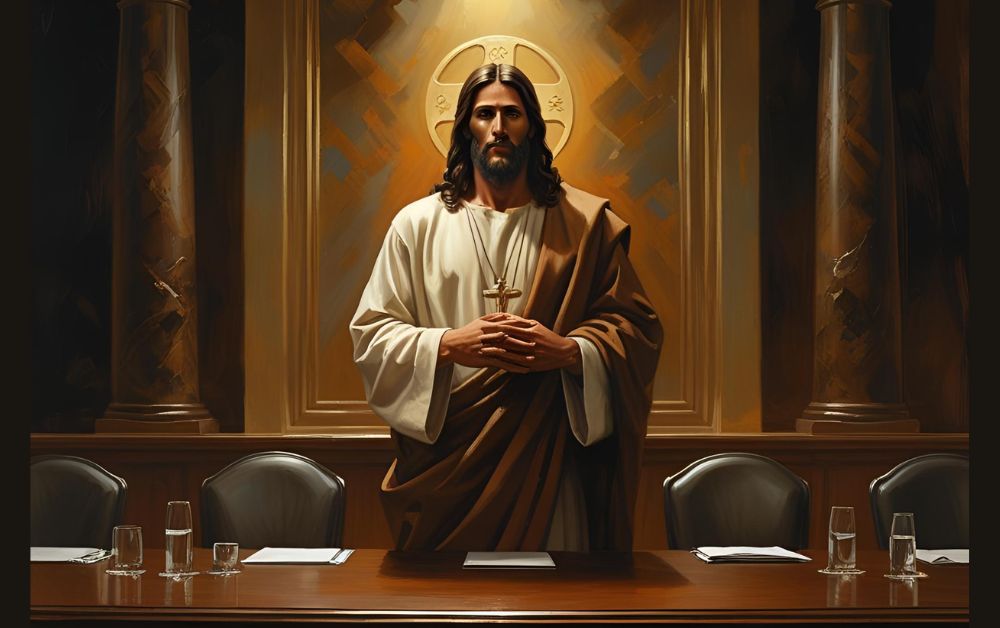
Jesus cared little for wealth or bottom lines. He sought out the forgotten, lifted up the softest, most forgotten voices, and served rather than commanded. He gave all that He had—even His very life—for the sake of others.
So, I find myself asking—and I invite you to ask as well—What should it mean to be a Christian leader? And how should our understanding of Christ’s leadership reshape the models we so easily accept today?