OTHERING IN THE NAME OF ALLYSHIP
In the pursuit of justice, inclusion, and belonging, allyship often emerges as a go-to framework for supporting marginalized communities. While the intention is noble—standing in solidarity with those on the margins in their journey toward liberation—it often carries with it a subtle undercurrent of paternalism or white saviorism. This can manifest as a lack of humility, a resistance to feedback, or an unwillingness to adapt, ultimately obstructing meaningful collaboration.
The very metaphor of allyship is rooted in war. It implies a battle—an “us versus them” dynamic where “allies” join forces to confront a common enemy. While this framing can rally people to action, it can also hinder the healing work. It risks casting those who question or offer a different approach as adversaries rather than potential partners. This posture undermines the trust and goodwill that sustainable change requires.
I encountered this tension firsthand in a collaborative project with a higher education institution in the state of Washington. The college was expanding its partnership with local Native tribes, and we realized there had never been an official acknowledgment that the campus stood on Indigenous land. A team formed to draft a land acknowledgment statement, made up of individuals from various backgrounds. Among them was a white team member who strongly advocated for language that would “shock the audience into awareness.” Though rooted in a desire to avoid performative niceties and force urgency, others in the group felt that his approach lacked a restorative and constructive tone.
The group became divided. The conversation reached an impasse—until we brought both versions of the draft to a tribal partner for feedback. Their preference was clear: the more conciliatory and positive version resonated most. It wasn’t about shock; it was about honoring their story in a way that invited understanding and connection.
This experience revealed a deeper disconnect within the group. What some perceived as “effective allyship” was actually out of step with the very community they sought to uplift.
It’s a pattern I’ve seen repeatedly in my work as a diversity, equity, and belonging strategist. Well-meaning “allies,” often driven by guilt, unprocessed trauma, or unchecked zeal, stigmatize those who don’t share their methods. Alternative strategies are dismissed as “part of the problem,” creating an exclusionary dynamic: my way or the highway. Ironically, in doing so, they replicate the very systems of domination they’re trying to dismantle.
In many organizations, this dynamic plays out in the form of performative allyship—actions or gestures that publicly signal support for marginalized communities but are driven more by image than by a deep commitment to change. These acts often center the comfort or reputation of the ally, rather than the real needs and voices of those they claim to support. Lacking follow-through, they may erode trust and reinforce inequity under the guise of progress.
Beyond performativity, some engage in adversarial allyship: advocacy marked by confrontation, where “allies” see themselves in constant opposition to an enemy. Though often well-intentioned, this approach tends to prioritize attacking perceived opponents over building bridges or creating lasting change. It can alienate potential partners, overshadow the voices of those most impacted, and breed mistrust even within justice spaces.
And yet injustice cannot be dismantled through ideology alone. It requires engaging people; many of whom may begin with perspectives different from our own. The adversarial and condescending tendencies of some “allies” stifle this possibility. When curiosity is met with suspicion, and nuance is dismissed as complicity, allyship risks becoming dogma. It can take on the tone of an extremist theology, where dissent is not tolerated, and the purity of the message is policed more than the impact of the work.
There is a saying: We can only move at the speed of trust. And trust does not grow in soil watered by shame and ridicule. Belittling those who don’t yet see what we see only deepens the divide. If we refuse to acknowledge the humanity and capacity for growth in those who disagree with us, we end up perpetuating the very cycle of othering we claim to resist—even in the name of justice. By moving beyond the performative and adversarial nature of traditional allyship, we can create a model of advocacy rooted in humility, trust, and genuine collaboration.
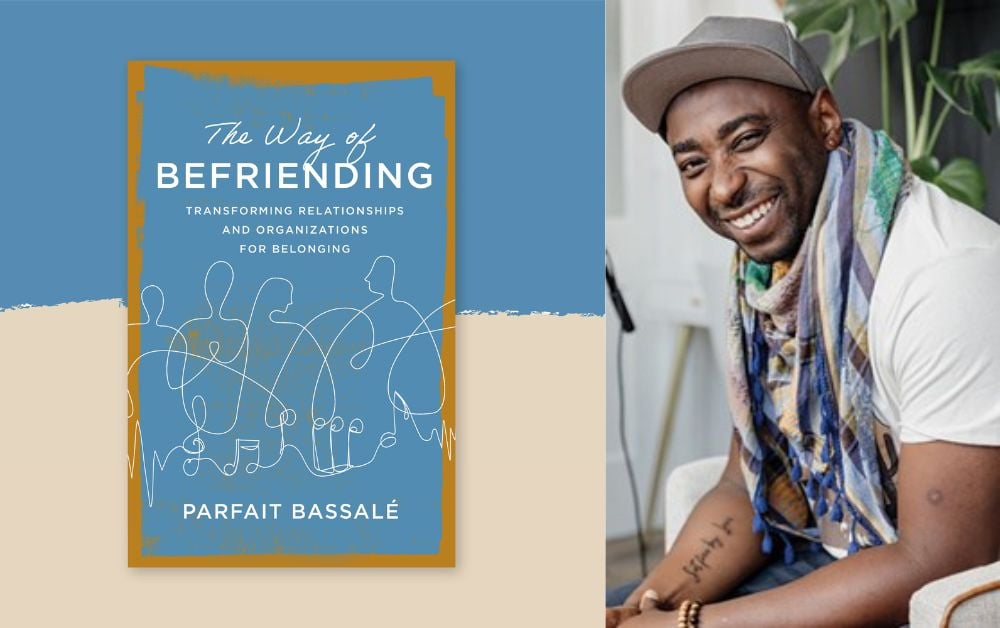
Taken from The Way of Befriending, by Parfait Bassalé. Copyright (c) 2026 by Parfait Bassalé. Used by permission of InterVarsity Press. www.ivpress.com