You were called to shepherd souls, not stabilize institutions, and yet somewhere along the way the care of living people was replaced with the maintenance of buildings, brands, reputations, and access. You were not anointed to manage political fallout or protect donors or keep the giving units calm. You were called to guard the flock. But right now, your silence is louder than your sermons, and your caution is shaping your theology more than Christ is.
The confusion did not happen overnight. It rarely does. It seeped in slowly, respectably. The Gospel fused with culture until no one could tell where one ended and the other began. The Kingdom became draped in national identity. Faith learned to speak in partisan dialect. You did not wake up one morning and decide to trade Christ for Caesar — you simply stopped noticing when the two were being mentioned in the same breath. You began protecting power instead of protecting people. You thundered against the sins that cost you nothing while whispering about the sins that sign the checks. You defended borders but not babies in poverty. You condemned sexuality but ignored greed. You rebuked the wounded and flattered the wealthy. And when the watching world called it hypocrisy, you called it persecution.
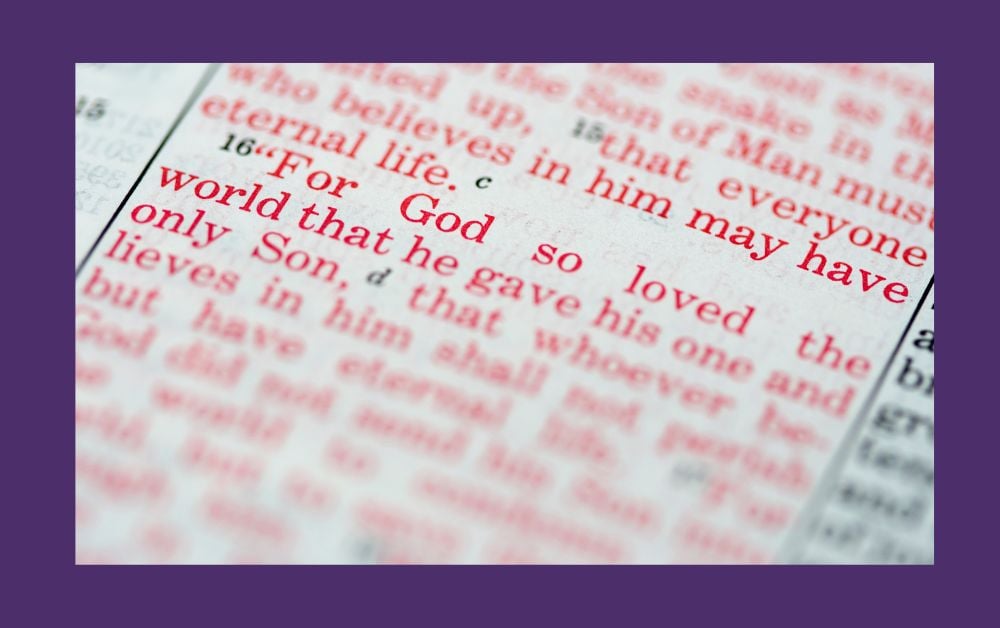
But strip it down — all the way down — to the red letters. Look at what Jesus actually emphasized. Mercy without calculation. Enemy-love without exception. Care for the poor without political qualification. Liberation for captives without donor approval. Justice without hypocrisy. He spoke more about money than about sexuality. He warned religious leaders more than pagans. He reserved His sharpest words not for sinners but for shepherds who burdened the weak while enlarging their own platforms. When was the last time you confronted greed publicly? When was the last time you defended the marginalized knowing it might cost you members? When did you last preach the Sermon on the Mount straight through without softening its edge? When did “Blessed are the poor” sound like a promise instead of an inconvenience? When did “Love your enemies” survive your political preferences?
The world does not recoil because it has seen too much righteousness. It recoils because it has seen too little resemblance to Christ. “There’s no hate like Christian love” did not fall from the sky. It grew in the soil of scandal. It grew in the shadow of power. It grew while abuse victims were silenced to preserve reputations. It grew while pulpits obsessed over culture wars and neglected hungry families sitting in the back row. You had moral authority, and you spent it on influence. You had trust, and you traded it for proximity to power. The harvest field did not burn because the world hated you for being holy. It burned because you confused Christ with culture and called the smoke revival.
And yet this is not a blanket condemnation. There are faithful shepherds. There are pastors who open their doors when no cameras are rolling, who feed people before preaching to them, who defend the vulnerable without calculating backlash, who preach Christ without asking Caesar for clearance. They are small. They are often overlooked. They are rarely platformed. But they are real. And they are proof that the Spirit has not abandoned the Church — only the comfortable version of it.
This moment is not apocalypse theater. It is pattern. Judgment begins in the house of God, not as lightning from the sky but as exposure. When leaders drift, what they love is revealed. When hypocrisy hardens, light breaks it open. Alignment becomes visible. Silence becomes a confession. You are not being persecuted; you are being revealed. The bundling is happening in plain sight — not by force, but by affinity. What you defend is declaring who you are. What you refuse to confront is preaching louder than your statements of faith.
You stand now at a crossroads that has appeared before in history and will appear again: the wide road of safety, relevance, and donor security, or the narrow road that risks everything for a Kingdom not built by hands. You can continue pastoring goats to pay the bills, baptizing lukewarm allegiance, inhabiting a comfortable middle that Scripture once described as nauseating to Christ Himself in Laodicea. Or you can risk it all for a city whose architect is God — a Kingdom that cannot be polled, purchased, or platformed.
RELATED POST: A Call to Christians in a Crisis of Faith and Democracy
Repent does not mean grovel. It means realign. It means remembering who you were before the metrics, before the access, before the invitations. It means preaching Christ without Caesar hovering behind the pulpit. It means dropping partisan loyalty and protecting the least of these as if your own children depended on it. It means confronting greed with the same volume you use for sexuality. It means opening your doors, feeding people, teaching mercy like oxygen, building real community again — not curated subculture, not political tribe, but the actual body of Christ.
We do not want your conferences. We do not want your platforms. We do not need your approval. If necessary, we will stand between you and the vulnerable. But we would rather stand beside you — shoulder to shoulder — if you remember who you were called to be.
Choose comfort, and you may keep your buildings.
Choose Christ, and you may lose everything — except your soul.
The red letters are still red.
And they are not confused.